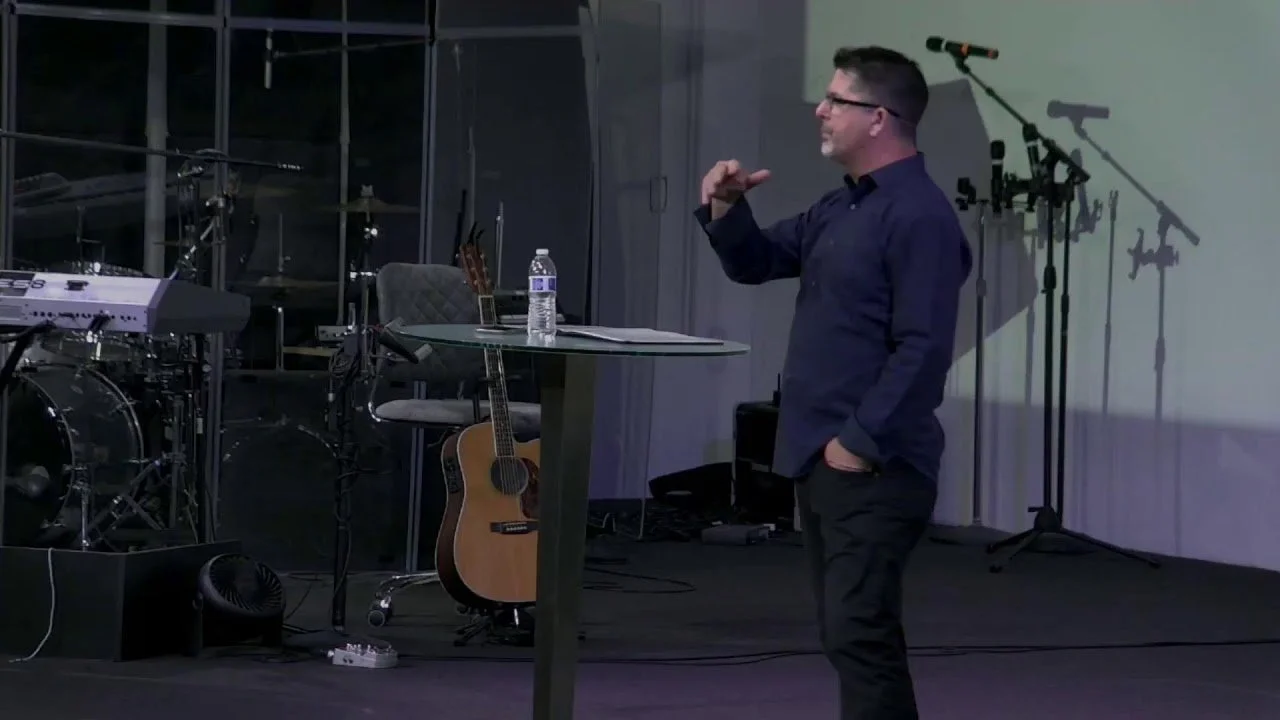
A CALL TO APOSTOLIC REFORMATION
—Jim Cutter
Jim is part of the USCAL REGION 12 Leadership Team and Lead Pastor at Regency Church in Whittier, CA, a suburb of LA.
The modern Church is in need of reformation. Jesus said, “I will build My church, and the gates of hell shall not prevail against it” (Matthew 16:18). He was not describing an institution, a brand, or a network. He was declaring the advancement of the Kingdom of God on the earth, a family of Kingdom citizens living under His rule and reign.
This is not written from offense, frustration, or distance, but from love, for Christ, for His Bride, and for the health and maturity of the Church we are called to steward.
We have drifted far from koinonia, from shared life, shared devotion, and shared pursuit of Christ (Acts 2:42-47). In many places, the gathering of the saints has become a marketplace rather than a place of ministering to the Lord (Acts 13:2). What was meant to be sacred has become transactional. What was meant to be relational has become consumeristic.
When access to leaders is brokered through networks, tiers, and payments, we have departed from God’s original design. When relationship is conditional and communication is transactional, something holy has been lost. Proximity to Jesus was never purchased. It was forged through pursuit, surrender, obedience, shared life, and the mission of the Kingdom (Mark 3:14). The currency was faithfulness, not fiat (1 Corinthians 4:2).
Before His crucifixion, Jesus entered the temple courts and cleansed them. He overturned the tables and drove out those who had turned a house of prayer into a marketplace, declaring, “My house shall be called a house of prayer, but you have made it a den of robbers” (Matthew 21:12-13; Isaiah 56:7). This act was not merely corrective. It was prophetic. It declared that the presence of God cannot be commercialized and that spiritual authority cannot be monetized.
The Holy Spirit is once again purging the Church of leaven (1 Corinthians 5:6-8). The political spirit that has governed much of modern ministry is being exposed and will be torn down. Christ’s jealousy for His Bride and His desire for a mature people will not be denied. Jesus will present to Himself a Church that is holy, radiant, and without compromise (Ephesians 5:25-27).
Honor matters. Authority matters. Apostolic doctrine matters (Acts 2:42). But apostleship was never given to elevate personalities. It was given “to equip the saints for the work of ministry, for the building up of the body of Christ” (Ephesians 4:11-13). The measure of true ministry is not access, influence, or visibility, but Christlikeness formed in a people (Galatians 4:19).
The apostle Paul explicitly rejected a ministry built on charisma or persuasion. “I did not come to you with eloquent speech or wisdom, but with a demonstration of the Spirit and of power” (1 Corinthians 2:1-4). He modeled the power of weakness, the dignity of suffering, and the humility of vocational leadership. Paul worked with his own hands so as not to burden the church (Acts 20:33-35; 1 Corinthians 9:12 -18). His authority flowed from submission to Christ, not rhetorical skill or personal brand. He boasted in weakness, declaring that God’s power is made perfect there (2 Corinthians 12:9-10). His aim was not admiration, but transformation. “Follow me, as I follow Christ” (1 Corinthians 11:1).
The early Church reinforced this same standard. The Didache, a first century manual used by the early believers, established clear requirements for itinerant apostolic and prophetic ministry. Apostles and prophets were to be received with honor, yet discerned by their conduct. It warned plainly, “If he asks for money, he is a false prophet” (Didache 11.6). Apostolic ministry was sustained through hospitality and shared life, not solicitation or manipulation. Authority was proven by character, restraint, and conformity to the ways of the Lord, for “from his ways the false prophet and the true prophet shall be known” (Didache 11.8).
This is not a rejection of generosity or shared provision. Paul taught that those who labor in the word and teaching are worthy of honor and support (1 Timothy 5:17-18; 1 Corinthians 9:14). Along with the early apostles, he actively encouraged giving, especially in response to the famine affecting Judea, as an expression of love, unity, and ongoing generosity during a first century crisis (Acts 11:27-30; 1 Corinthians 16:1-4; 2 Corinthians chapters 8 and 9; Romans 15:25-27). It is a warning against commodifying spiritual authority or turning access into currency. The fruit of true apostolic ministry is not dependence on the apostle, but conformity to Christ. When someone genuinely comes under apostolic grace, the result is a growing desire to become more like Jesus.
The Church was never designed to function transactionally. Severing fellowship because someone is no longer useful, ghosting relationships to avoid accountability, or retreating into isolation because of pain or an unwillingness to live transparently are all inconsistent with what it means to be the Church. We were never called to curate connections. We were called to covenant community.
The Church was designed to live as a family, preferring one another in honor (Romans 12:10), breaking bread together (Acts 2:46), holding fast to sound apostolic teaching (2 Timothy 1:13), and being transformed into the image of Christ with unveiled faces (2 Corinthians 3:18). Formation into the likeness of Christ must be our singular focus.
May the Lord reform His Church. May He cleanse us of mammon, leaven, and ambition (Matthew 6:24; Hebrews 12:27). The aim of reformation is not correction for its own sake, but a Bride prepared with joy for her Bridegroom. May Jesus receive the full reward of His suffering, a people who minister to the Lord, walk in the light with one another, and gladly bear His image to the world (Acts 13:2; 1 John 1:7; Romans 8:29).